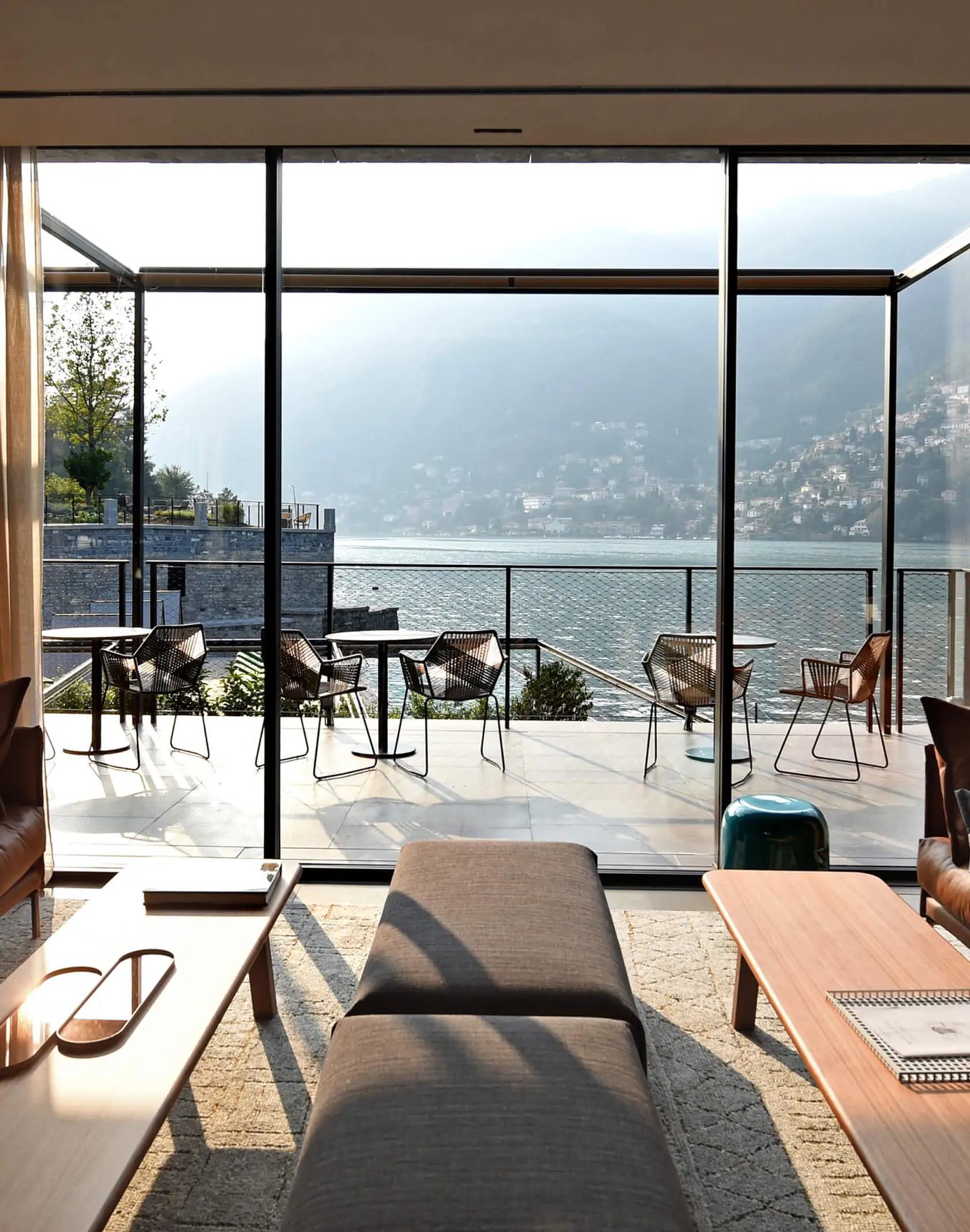
From experience I find that there is a peculiar blind spot in how institutional capital sees the world. We have sophisticated frameworks for pricing an office tower, a logistics shed, a tranche of corporate debt. We have less patience for the things people actually spend their discretionary money and increasingly their identity on: where they stay, what they wear, how they eat, the brands they let into their lives. We file these under "consumer" or "leisure," treat them as cyclical and soft, and move on.
That instinct is becoming expensive.
The experience economy, the overlapping world of hospitality, premium consumer brands, wellness, and the real estate that houses them is not a sentimental footnote to the serious business of investing. It is one of the most durable demand stories of the next two decades, and the capital markets are pricing it as though it were a fashion.
Consider the underlying force. As global affluence rises, spending does not scale linearly across categories. Beyond a certain income, people stop accumulating "things" and start accumulating "experiences" and "signals", the hotel that says something about them, the brand whose story they want attached to their own, the meal that becomes a memory or an Instagram post. This is the part of the wallet that compounds fastest as wealth grows, and it is precisely the part traditional capital treats as least serious.
Nowhere is this clearer than in emerging markets. In the Gulf or in Asia and across the emerging world, a generation of newly affluent consumers is not following the old Western consumption curve, it is leapfrogging it. They are not waiting to buy the durable goods first and the experiences later. They want the premium hotel, the considered brand, the elevated everyday, now.
Sovereign and family capital in these regions has understood this for years; it is why so much of it has flowed into hospitality platforms, lifestyle real estate, and consumer brands while Western institutions were still debating whether "experience" belonged on a balance sheet.
The deeper point is that these categories are converging. The lines between a hotel, a residential development, a members' club, and a consumer brand are dissolving. A great hospitality operator is now a brand. A great brand now wants physical space. A residential developer now competes on lifestyle, not square footage. The investor who still sorts these into separate, siloed asset classes is missing the actual business which is the ownership of premium demand itself, wherever it expresses.
So why does serious capital keep underwriting this story timidly?
Partly it is measurement. Experience businesses trade on intangibles, brand equity, loyalty, cultural relevance, that resist the spreadsheet. Partly it is taste; there is a quiet snobbery that treats a logistics yield as more respectable than a hospitality one, even when the hospitality asset is the better business. And partly it is structural: the people allocating capital are often a generation and a geography removed from the people whose spending actually drives these markets. You cannot price demand you do not recognise.
This is the gap. And gaps, in my experience, are where the returns live.
The opportunity is not to chase trophy assets at trophy prices. It is to build platforms around premium, repeatable, brand-led demand, and to do it with patient capital that understands these businesses compound slowly and then suddenly. It is to treat a brand as infrastructure. It is to recognise that the most defensible moat in a world of infinite choice is not scale or price; it is meaning. People will pay, repeatedly, for the things that mean something to them. That is not soft. That is the hardest economic fact there is.
We're building Haus Partners around this conviction: that the lifestyle and experience economy deserves the same rigour, structuring, and conviction we reserve for the asset classes we already respect, and that the capital which moves first, while the category is still mispriced as "leisure," will own the part of the global economy that grows precisely because everything else is becoming a commodity.
The capital markets will catch up. They always do. The question for any allocator is whether they would rather be early to the repricing of how the world lives well, or read about it later, in someone else's returns.